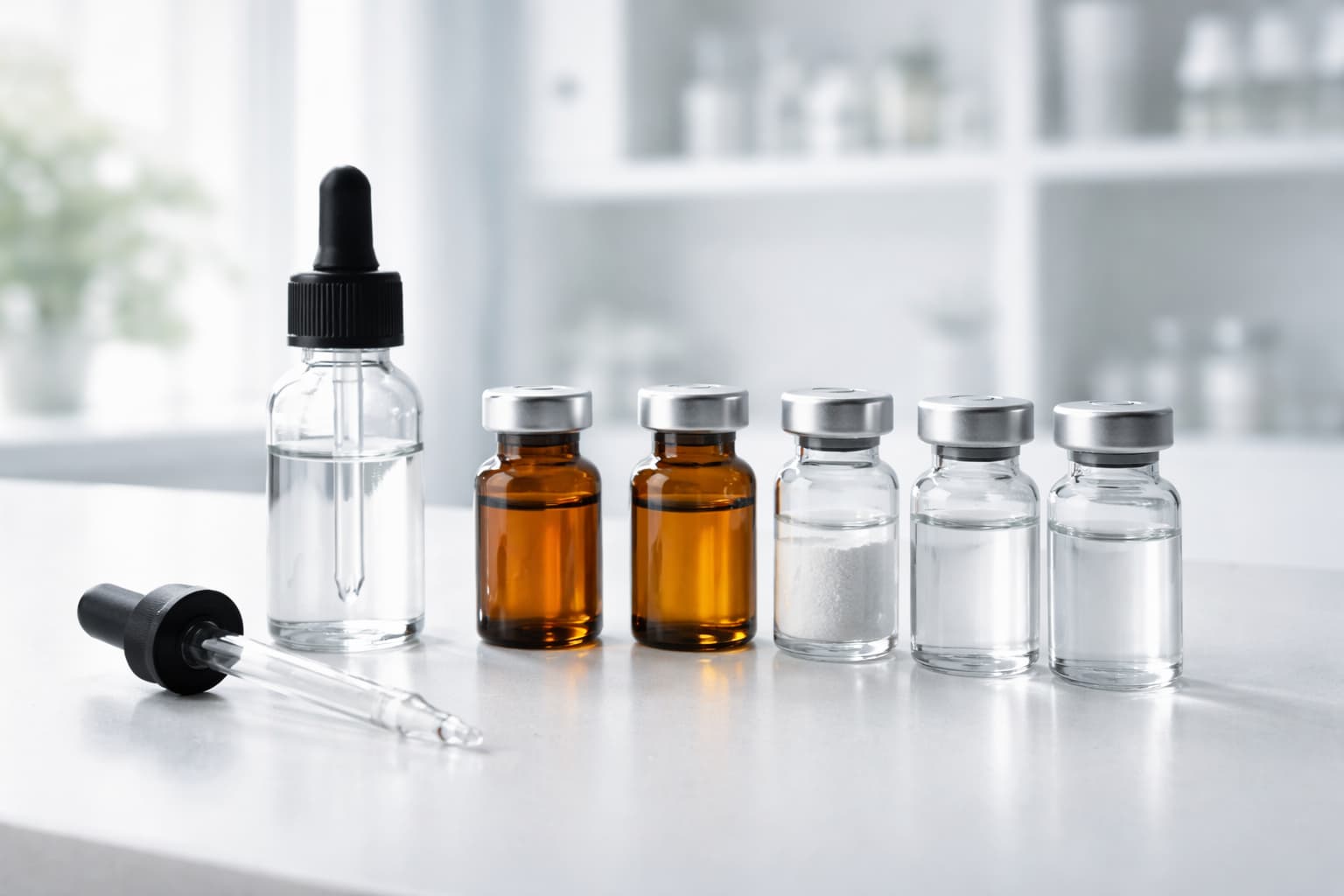
Why Bacteriostatic Water Is Used in Peptide Reconstitution Research
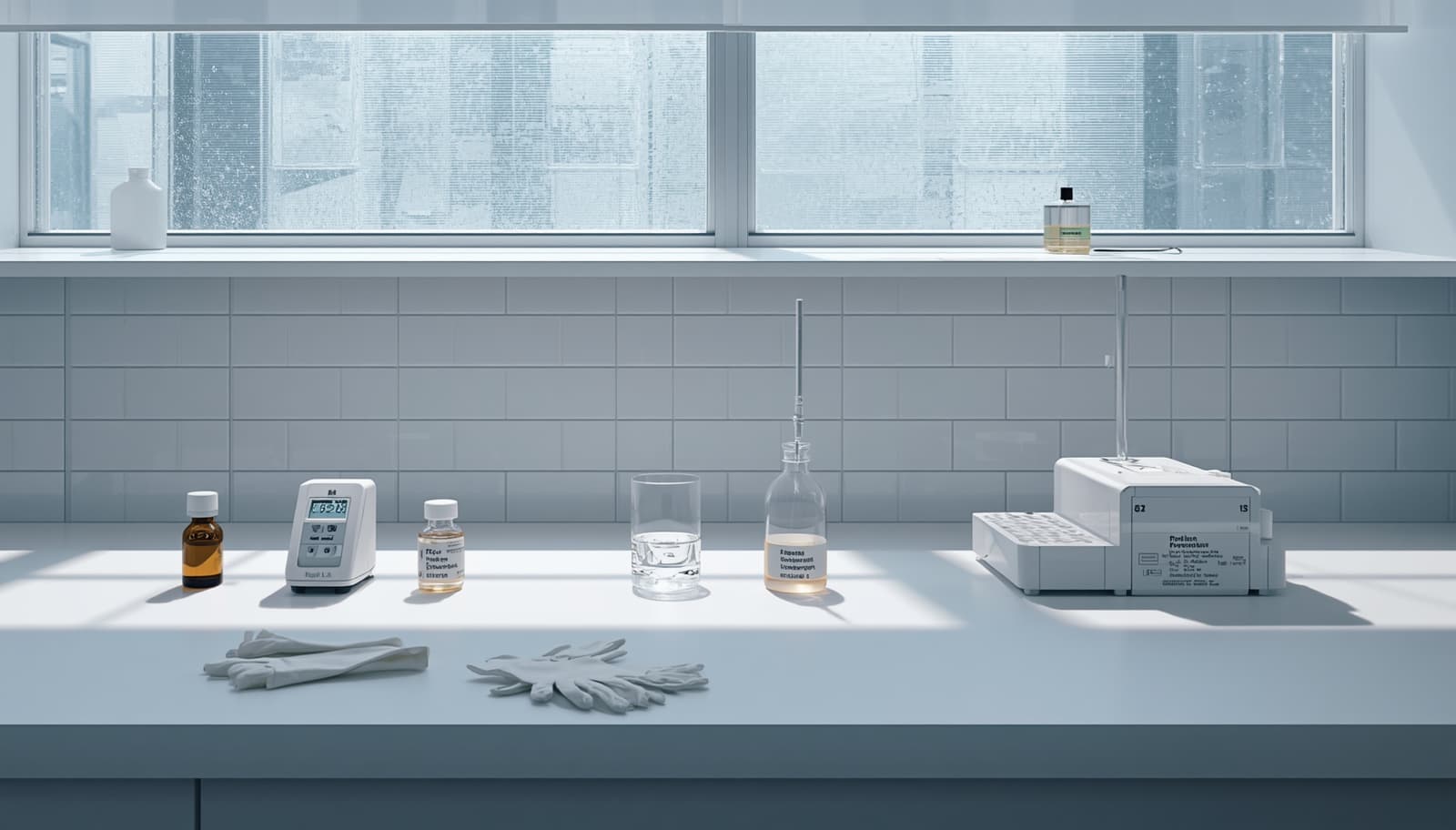
Many peptides used in laboratory research are supplied in lyophilised (freeze-dried) form. This preservation method removes moisture, allowing the peptide to remain stable during storage and transport. Before experiments begin, researchers must reconstitute these freeze-dried compounds by adding a suitable solvent.
One of the most commonly used solvents in peptide research is bacteriostatic water. Researchers working with peptides often choose this solution because it helps maintain sterility, protects peptide integrity, and reduces contamination risks during repeated handling. In controlled research environments, the solvent used for peptide reconstitution can significantly influence stability, shelf life, and experimental outcomes.
What Is Bacteriostatic Water
Bacteriostatic water is a sterile solution that contains 0.9% benzyl alcohol, which acts as a bacteriostatic agent. Its main function is to inhibit bacterial growth in solutions that may be accessed multiple times.
Key characteristics include:
- Sterile water containing 0.9% benzyl alcohol
- Designed for multi-use laboratory preparations
- Remains sterile for up to 28 days after opening
- Prevents bacterial contamination in research solutions
Because of these properties, bacteriostatic water is widely used for dissolving research compounds such as peptides, hormones, and certain antibiotics in laboratory settings.
What Is Peptide Reconstitution in Research
Peptide reconstitution refers to the process of dissolving a freeze-dried peptide in a suitable solvent to create a liquid peptide solution.
Peptides are freeze-dried for several reasons:
- Lyophilisation preserves molecular structure and stability
- Freeze-dried peptides are easier to transport
- Long-term storage becomes more practical
Once a solvent is added, the peptide forms a reconstituted peptide solution that can be used for laboratory assays, biochemical experiments, and stability testing. Proper reconstitution ensures accurate concentration and reliable experimental results.
Why Researchers Use Bacteriostatic Water Instead of Regular Water
Researchers commonly select bacteriostatic water for peptide reconstitution because it helps maintain sterility and allows repeated access to the same vial.
Key advantages include:
- Prevents bacterial growth during handling
- Allows multiple withdrawals from the same vial
- Reduces contamination risk
- Supports consistent laboratory workflows
- Extends the usability of the solvent for up to 28 days after opening
These benefits make bacteriostatic water a practical choice for peptide research where sterile conditions and repeat access are necessary.
The Role of Benzyl Alcohol in Bacteriostatic Water
The key ingredient that gives bacteriostatic water its properties is benzyl alcohol.
Benzyl alcohol acts as a bacteriostatic preservative, meaning it inhibits the growth of bacteria rather than killing them outright. This allows researchers to safely access the vial multiple times without introducing microbial contamination.
Important points about benzyl alcohol:
- Present at 0.9% concentration
- Acts as a bacteriostatic agent
- Helps maintain sterility during repeated use
- Does not interfere with the biological activity of most peptides
Because peptides are often handled multiple times during experiments, maintaining sterility is essential for preserving sample integrity.
How Peptide Stability Relates to Reconstitution Solvents
The solvent used for peptide reconstitution plays a major role in peptide stability.
Peptides can degrade through several mechanisms:
- Oxidation
- Hydrolysis
- Bacterial contamination
- Exposure to unsuitable pH conditions
The pH of bacteriostatic water typically ranges between 4.5 and 7.0, which is compatible with many peptide structures. Maintaining an appropriate pH helps protect peptide structure and biological activity during research.
Certain peptides may require alternative solvents such as acetic acid solutions or specialised buffers, depending on their sequence and experimental requirements.
Bacteriostatic Water vs Sterile Water in Laboratory Research
Researchers sometimes compare bacteriostatic water with preservative-free sterile water when selecting a solvent.
Bacteriostatic water
- Contains benzyl alcohol preservative
- Allows multi-use within 28 days
- Helps inhibit bacterial contamination
- Often preferred for repeated withdrawals
Sterile water
- No preservative
- Intended for single use
- Cannot prevent bacterial growth after opening
- Solutions often remain viable for only 24–48 hours
Because sterile water lacks antimicrobial protection, it must be used immediately after opening.
Best Practices for Handling Reconstituted Peptides in Research
Maintaining proper laboratory technique is critical when working with peptide solutions.
Recommended practices include:
- Use sterile syringes and sterile gloves
- Insert the needle against the vial wall when adding solvent to reduce foaming
- Avoid vigorous shaking when mixing peptides
- Store reconstituted peptides at appropriate refrigerated temperatures
- Inspect solutions for cloudiness or discoloration
- Label vials with reconstitution date
Aliquoting peptides into smaller containers can also help reduce contamination risk and avoid repeated handling.
Why Proper Reconstitution Matters in Controlled Studies
Correct peptide preparation is essential for producing reliable scientific data.
If peptides degrade or become contaminated, research results may be affected by:
- Incorrect concentration measurements
- Reduced biological activity
- Experimental variability
- Misinterpretation of peptide efficacy
Maintaining a sterile environment and using appropriate solvents helps ensure experimental reproducibility and accurate interpretation of results.
For broader insights into peptide and SARM research environments, researchers may explore topics such as SARMs and Peptides for Longevity & Healing and Potential of SARMs & Peptides.
FAQ
What is bacteriostatic water used for in research?
Bacteriostatic water is used as a solvent to dissolve freeze-dried compounds such as peptides while inhibiting bacterial growth in laboratory solutions.
Why do researchers reconstitute peptides?
Peptides are supplied in lyophilised form for stability. Reconstitution with a solvent allows them to be used in biochemical assays and experimental studies.
Is bacteriostatic water the same as sterile water?
No. Bacteriostatic water contains benzyl alcohol, which prevents bacterial growth and allows multi-use. Sterile water does not contain preservatives and is usually intended for single use.
Why are peptides supplied in lyophilised form?
Freeze-drying removes moisture, preserving peptide structure and extending shelf life during storage and transport.
Peptides for Research Applications
Researchers exploring peptide stability, formulation, and experimental design can access a range of high-quality research compounds at Sarm Nation.
Our laboratory-grade peptides are supplied to support controlled research environments, helping maintain precision, purity, and reproducibility across peptide stability studies and experimental workflows.
For researchers working with peptide preparation and reconstitution protocols, bacteriostatic water is also available at SARM Nation, making it easy to source both peptides and essential laboratory materials from one trusted supplier.